De Syro-Malabaarse gemeenschap kijkt met dankbaarheid, trots en vreugde terug op de Zondag voor de Oosterse Kerken 2026. Jome Maria Princil vertelt over de komst van St. Thomas de Apostel naar India en hoe de gemeenschap in Nederland zijn feestdag dit jaar beleefd heeft, aangevuld met prachtig beeldmateriaal van de dag!
Some say Christianity in India dates back to the earliest followers of Jesus in the first century. Today, Christianity is India’s third-largest religion, with around 26 million believers, although they make up just 2.4% of India’s massive population. Of these, 37 percentage follow Catholicism, most of them residing in the southern states of Tamil Nadu, Goa and Kerala.
Kerala is a small state in India, a narrow strip of land overlooking the southern tip of the sub-continent, sun drenched and humid, with rivers and backwaters winding through lush green rice fields, dotted by coconut trees. The Arabian Sea’s white beaches line the west coast of Kerala, while the Western Ghats, with their dense tropical forests, define its eastern boundary.
“But when the Holy Spirit comes upon you, you will be filled with power and you will be witnesses for me in Jerusalem, in all Judea and Samaria, and to the ends of the Earth” (Acts 1:8)
It was to this tropical haven that St. Thomas, one among the 12 apostles of Christ, travelled to spread the Word of God. St. Thomas, after visiting Socotra, came to Kondungallore, north of Cochin in about AD 52. On hearing about Jesus Christ from St. Thomas, the local people embraced Christianity and helped St. Thomas establish Christian communities at seven places in Kerala. From Kerala, St. Thomas proceeded to the eastern parts of South India and then travelled as far as Malacca and China. Later, on returning to India, he was martyred and buried at Mylapore in Chennai in AD 72.
Modern Syrian Catholics of Kerala are the descendants of the first followers of the Apostle Thomas, whom he baptised. St. Thomas is credited with establishing the roots of what later became the Saint Thomas Christian community in Kerala, also known as the Syro-Malabar Church. He is considered the founder of Christianity in India and is revered as the patron saint of the Syro-Malabar church in Kerala.
St. Thomas Day, also known as the Feast of St. Thomas the Apostle, is celebrated every year on July 3rd to commemorate the arrival of St. Thomas in Kerala. On St. Thomas Day, Keralite Catholics attend special Masses held in churches dedicated to St. Thomas. The Masses often include readings and prayers related to St. Thomas’ life, ministry, and martyrdom. Devotional hymns are also sung during these services. The community of the St. Thomas Christians from Kerala in the Netherlands celebrates the feast each year.
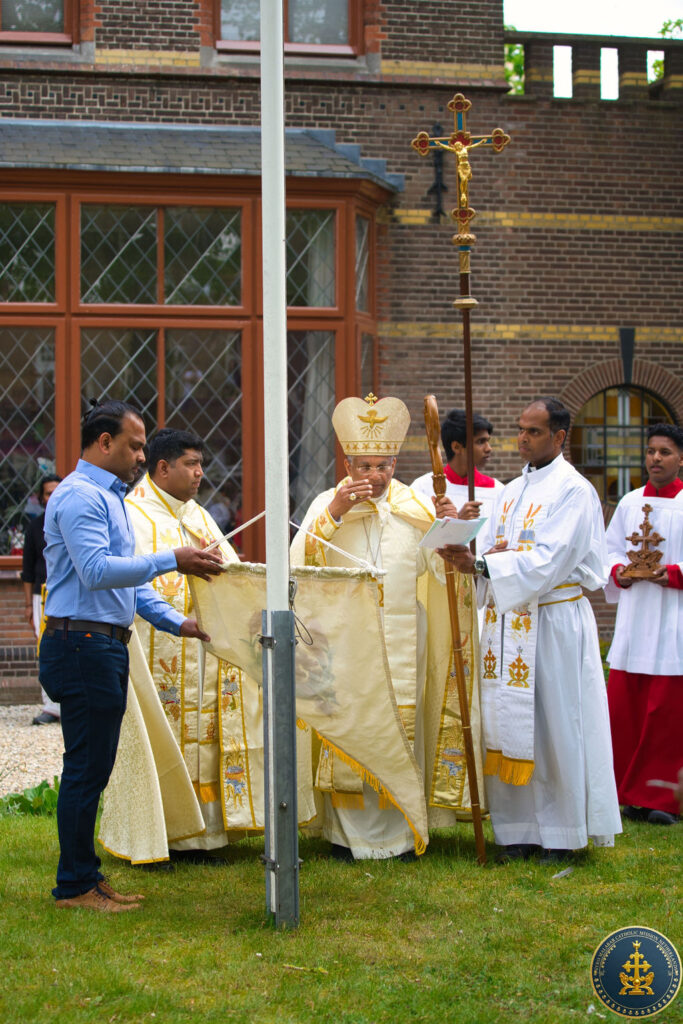
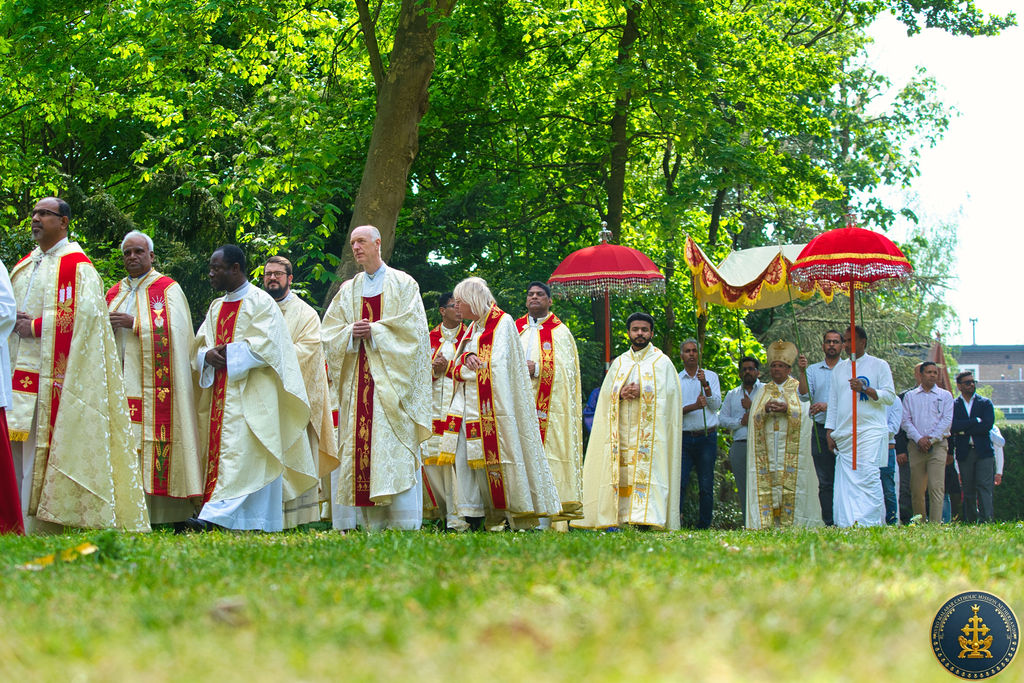
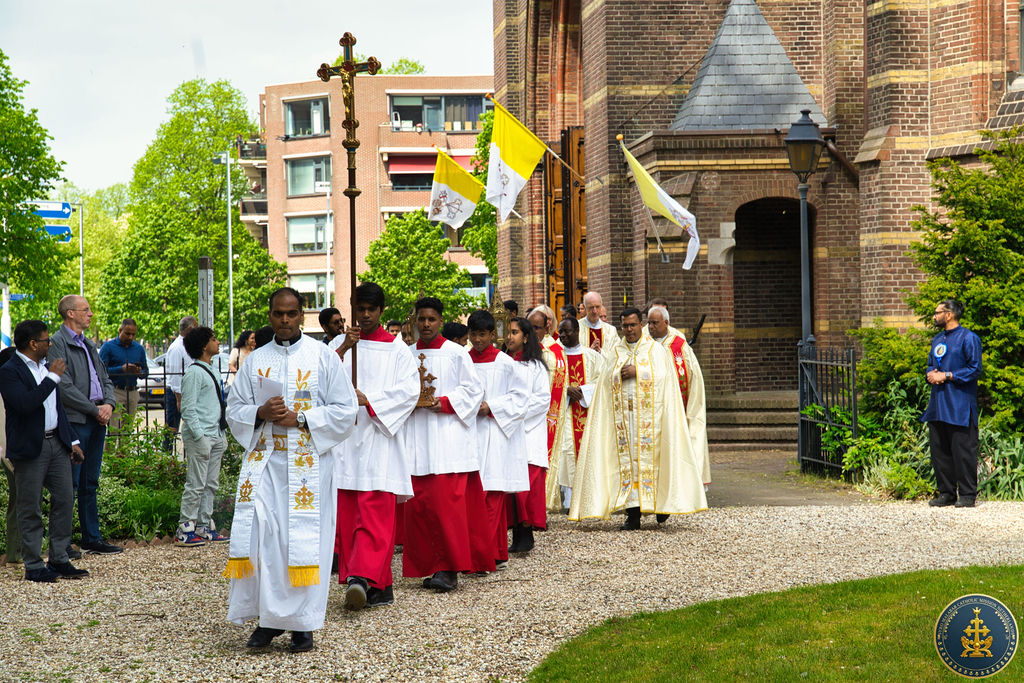
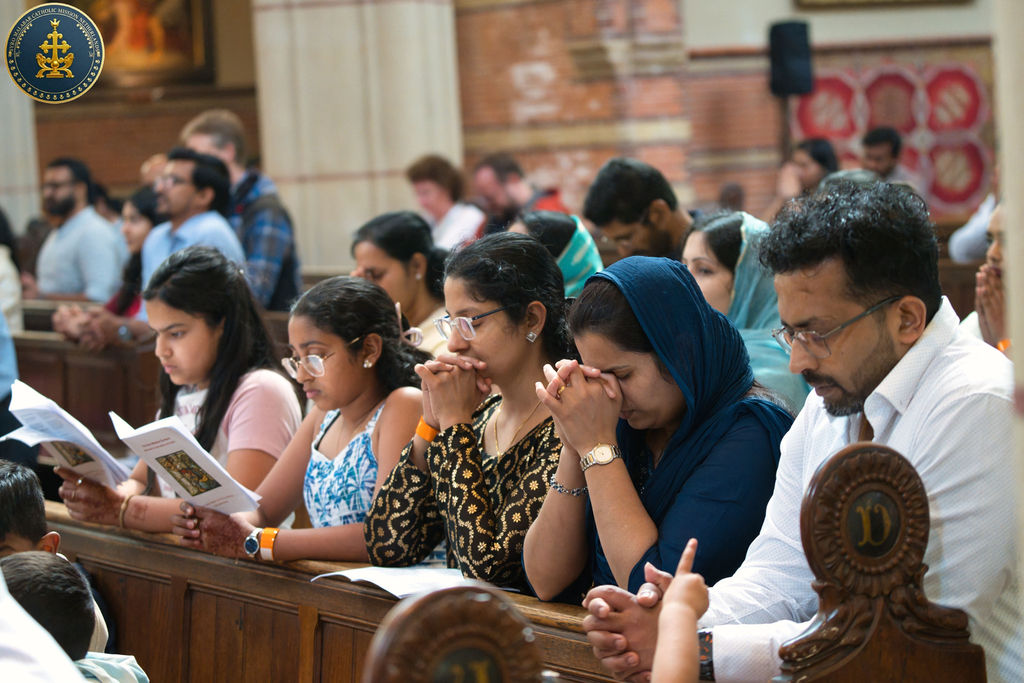
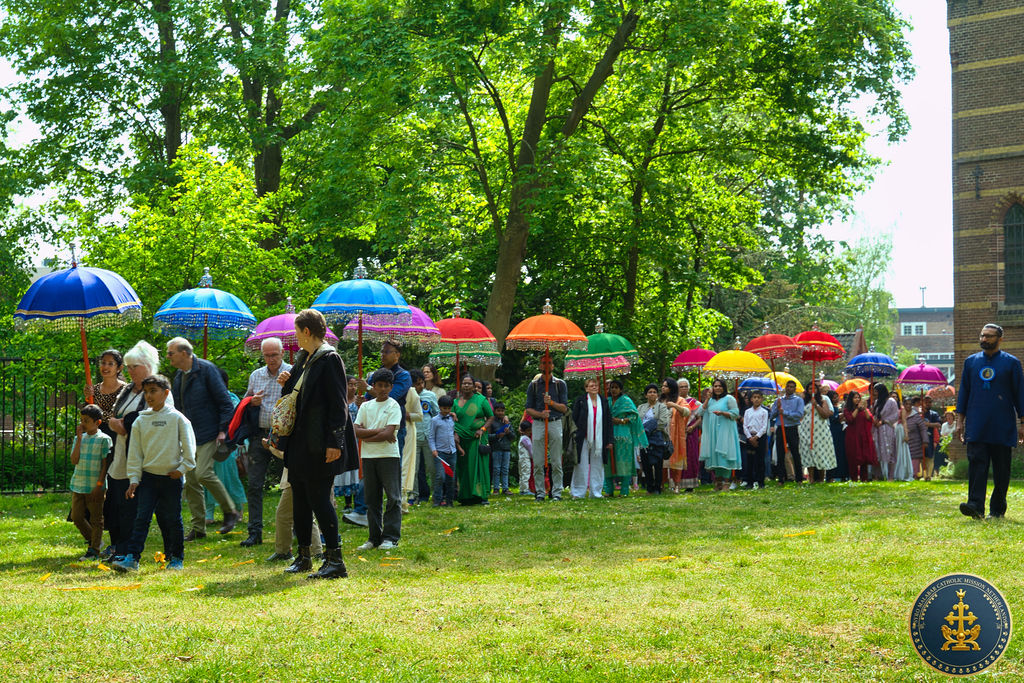
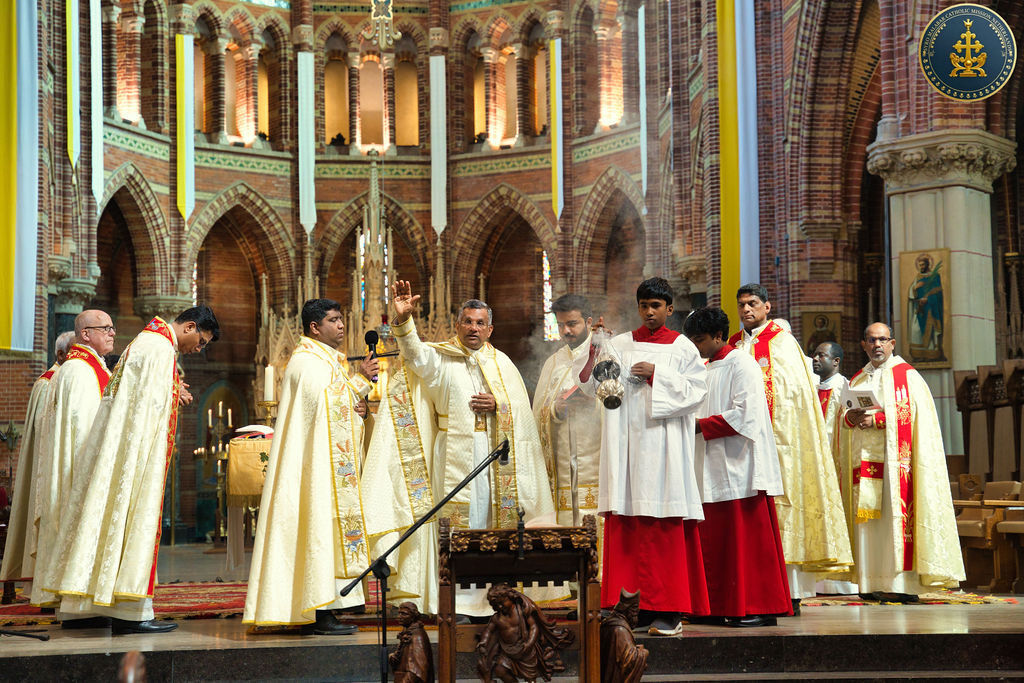
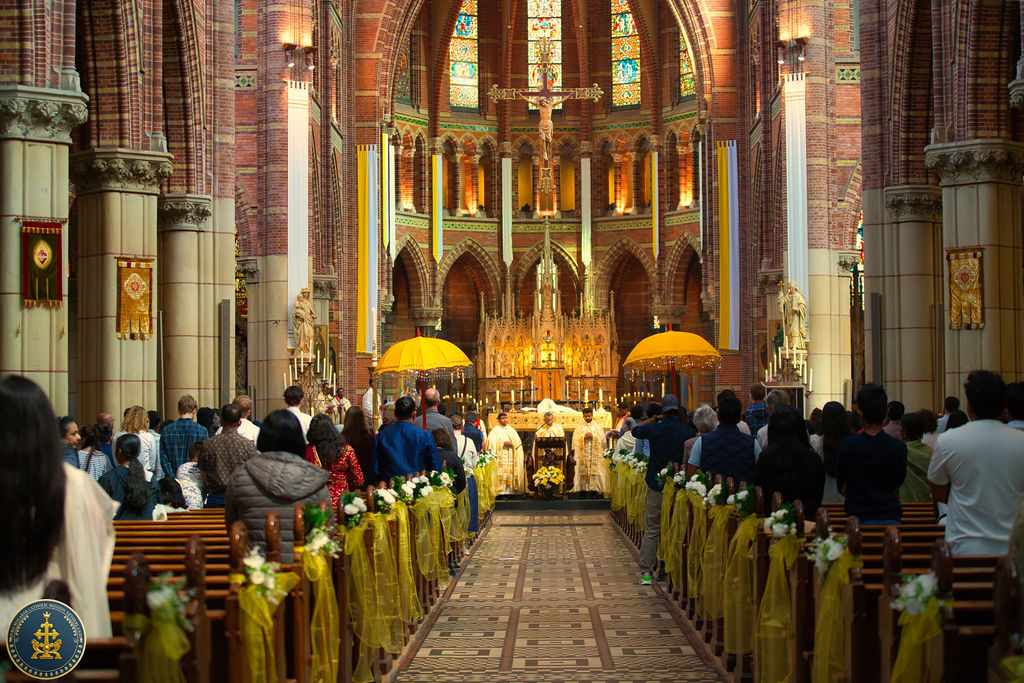
This year, the celebration was held in St. Vitus church, Hilversum, on May 2nd. The celebration was also commemorating the Eastern churches day in the Netherlands in collaboration with the Catholic Association for Ecumenism in the Netherlands. This year the focus for the Catholic Association for Ecumenism was on the Syro-Malabar churches from Kerala. The evening began with a flag hoisting, followed by Holy Qurbana, (Holy Mass in Malayalam, the language of Kerala). The Mass was celebrated by Bishop Mar Stephan Chirappanath, Syro-Malabar Apostolic visitator for Europe, and included beautiful songs that brought a spirit of prayer. There was a procession bearing the statue of St. Thomas around the church. As an act of devotion, the faithful could make a small procession of their own around the statue of St. Thomas, carrying a small arrow, symbolising the spear he was killed with.
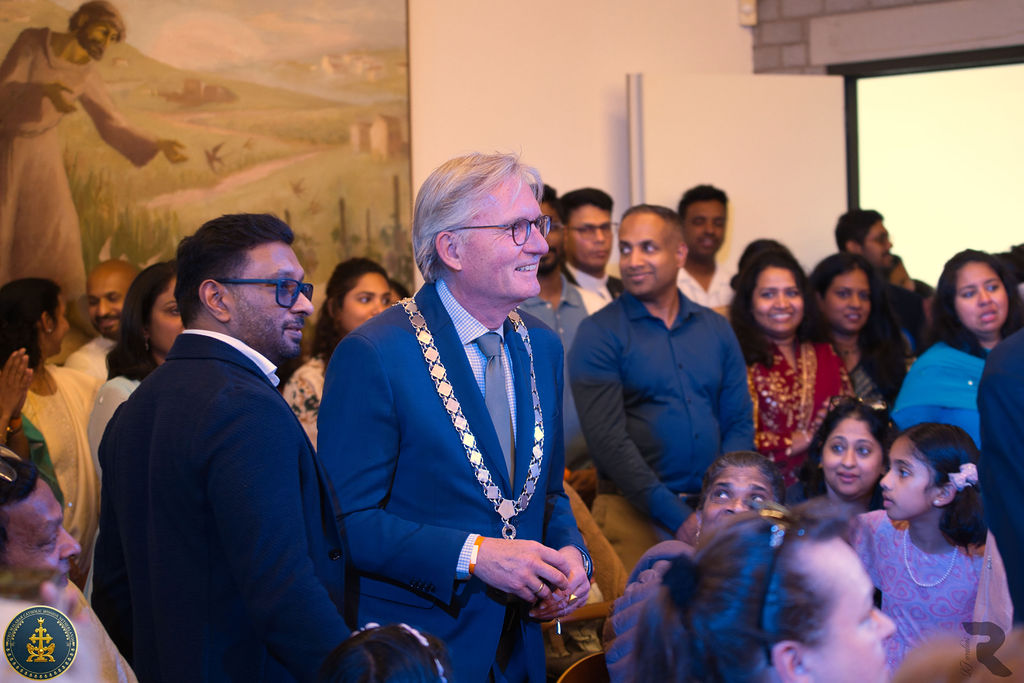
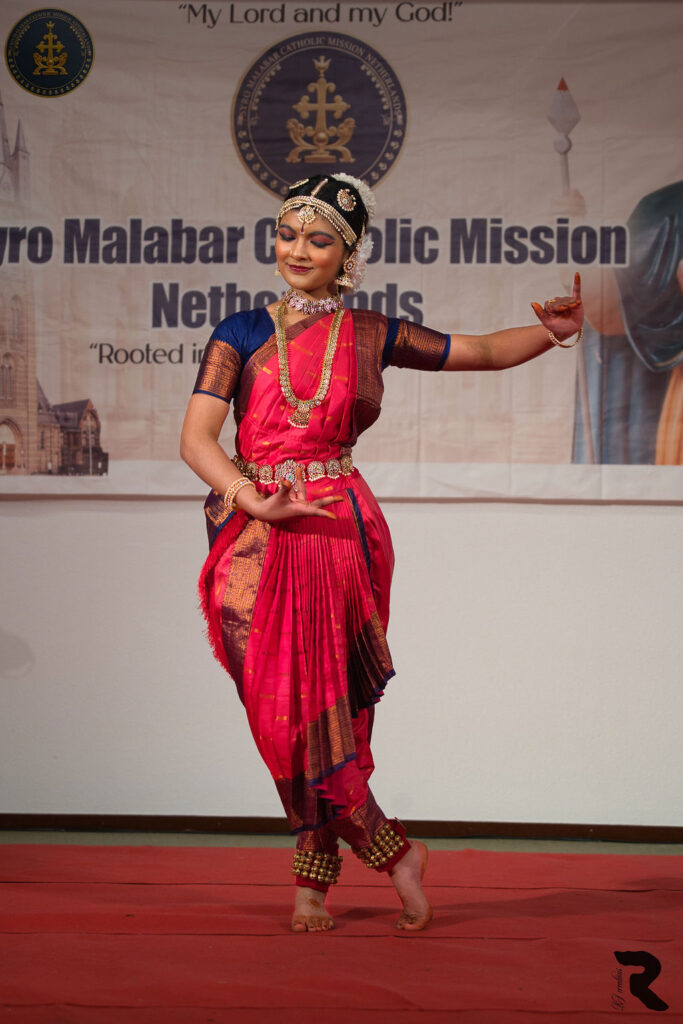
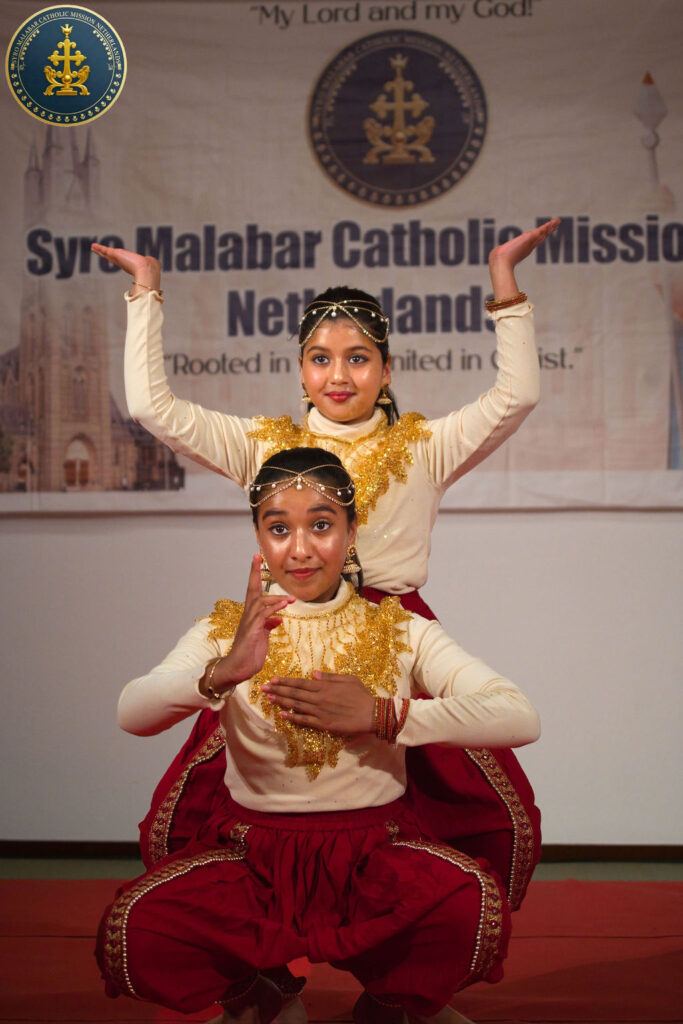
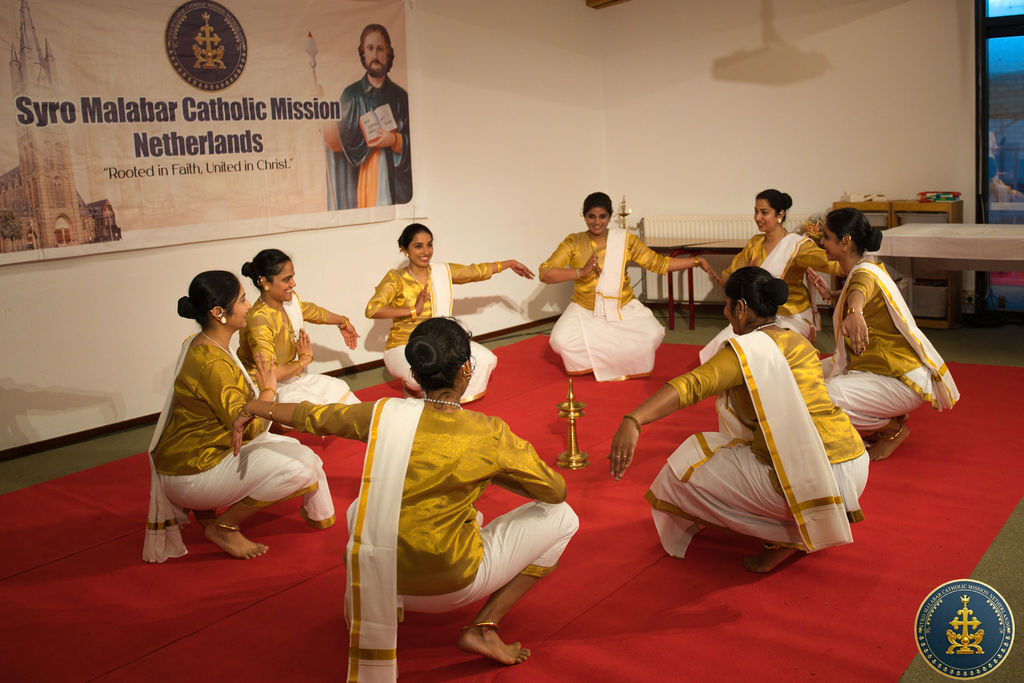
Afterwards, the Mayor of Hilversum, Gerhard van den Top, inaugurated a cultural fest, where the traditional dance forms of Kerala were showcased. The dances like Margamkalli, Bharatanatyam and Semi-classical that were performed by a select group of artistes, were highly appreciated by the audience. Bishop Jan Hendriks of the Haarlem dioceses also joined the festivities and spoke to a group of children who put up a tableau dressed as Saints of the past century. The feast ended with a DJ hosted by DJ Glen, dinner and the lowering of the flag.
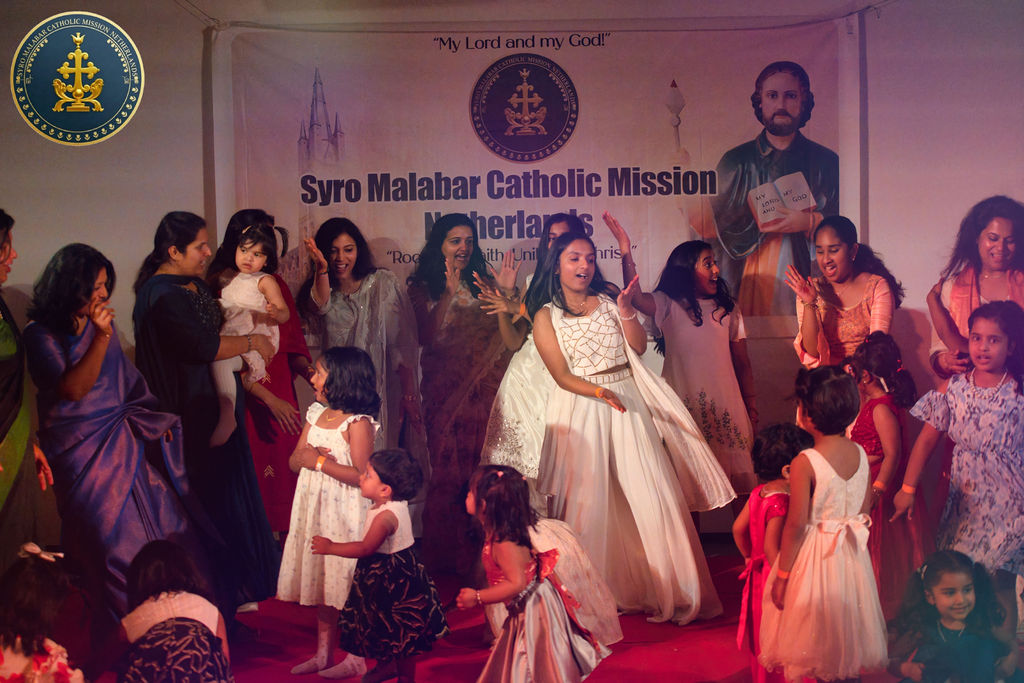
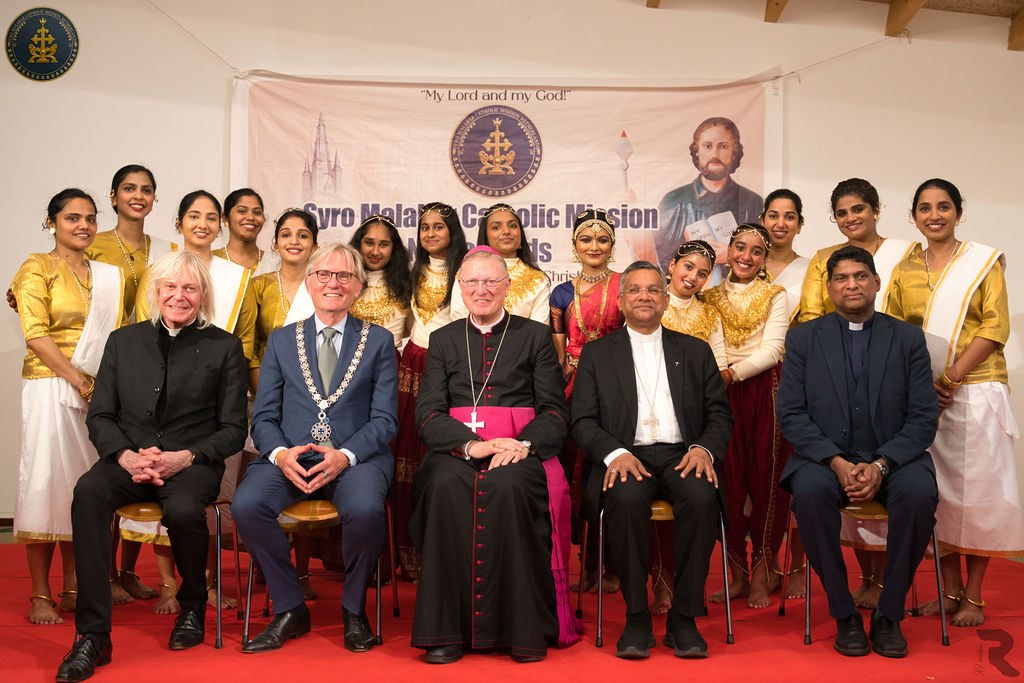
Many attendees found the ceremony to be a blessing. “I attend every year”, says Deepthi Cijo, one of the dancers of the evening. “It reminds me of the celebrations of St. Thomas day we used to have back in Kerala. Besides, it’s a great time to meet people and showcase my art in the form of dance!”
One of the organizers, Jibi Mathew, mentions that the event takes careful planning months beforehand. “Each activity is led by a committee lead, who provides guidance and support to dozens of members within the committee. The committee leads meet up once a week to discuss progress and obstacles. It is combined effort, coordination and months of planning culminating in the feast on the day.”
“It was a blessed day!”, says Soni Simon. “This year, we have more Dutch people attending the mass and ceremonies than in previous years. It feels good that we had two Bishops and the Mayor of Hilversum attending the festivities. I think it was a resounding success!”
The Syro-Malabar Christian community is deeply honored to be recognized by the Catholic Association for Ecumenism as an ancient yet vibrant Catholic rite of the Eastern Churches. The collaboration between the Catholic Association for Ecumenism and the Syro‑Malabar Christians in the Netherlands shows how working together can create extraordinary moments of unity, shared faith, and cultural richness.
The community prays that the spirit of St. Thomas the Apostle will continue to inspire and guide them in their journey of faith and service, ever mindful of his profound declaration: “My Lord and My God!”
Tekst: Jome Maria Princil
Beeld: Syro Malabar Catholic Mission Netherlands en Katholieke Vereniging voor Oecumene